Introduction
Most growing businesses today run on a patchwork of tools—separate software for accounting, inventory, HR, and operations. This fragmentation creates operational drag, data gaps, and rising software costs. Indian MSMEs typically adopt only 4.1 out of 13 tracked digital tools, yet global small businesses juggle 36 to 42 separate SaaS applications. The result? Teams waste 22% of their time on repetitive tasks, and manual data entry alone costs businesses $28,500 per employee annually — a global figure that mirrors the operational drag many Indian MSMEs face daily.
That fragmentation problem has a structural cause: most platforms aren't built to grow with you. Platform extensibility addresses this directly — its real value is in business outcomes: how quickly you can add a new module, comply with a new regulation, or connect a new system without rebuilding from scratch. When Gartner forecasts that over 70% of recently implemented ERPs will fail to meet their original business goals by 2027, the ability to adapt without ripping and replacing becomes critical.
This guide explains what extensibility means in practical terms, the key advantages it delivers, what businesses lose when it's absent, and how to make the most of it.
TL;DR
- Platform extensibility lets you expand, customize, or integrate software without rebuilding the core
- Lets businesses scale operations and connect existing tools without replacing what already works
- Delivers three core advantages: scaling without disruption, eliminating data silos, and lowering total cost of ownership
- Without it, rigid tools force manual workarounds, block growth, and push costs higher over time
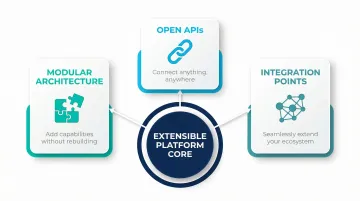
- Choose platforms with modular architecture, open APIs, and clear upgrade paths
What Is Platform Extensibility?
Platform extensibility is the design property that allows new features, modules, or integrations to be added without breaking or replacing the existing system. Much like a growing MSME that adds a new warehouse or sales branch without shutting down existing operations, an extensible platform expands around what already works.
Extensibility is typically applied in:
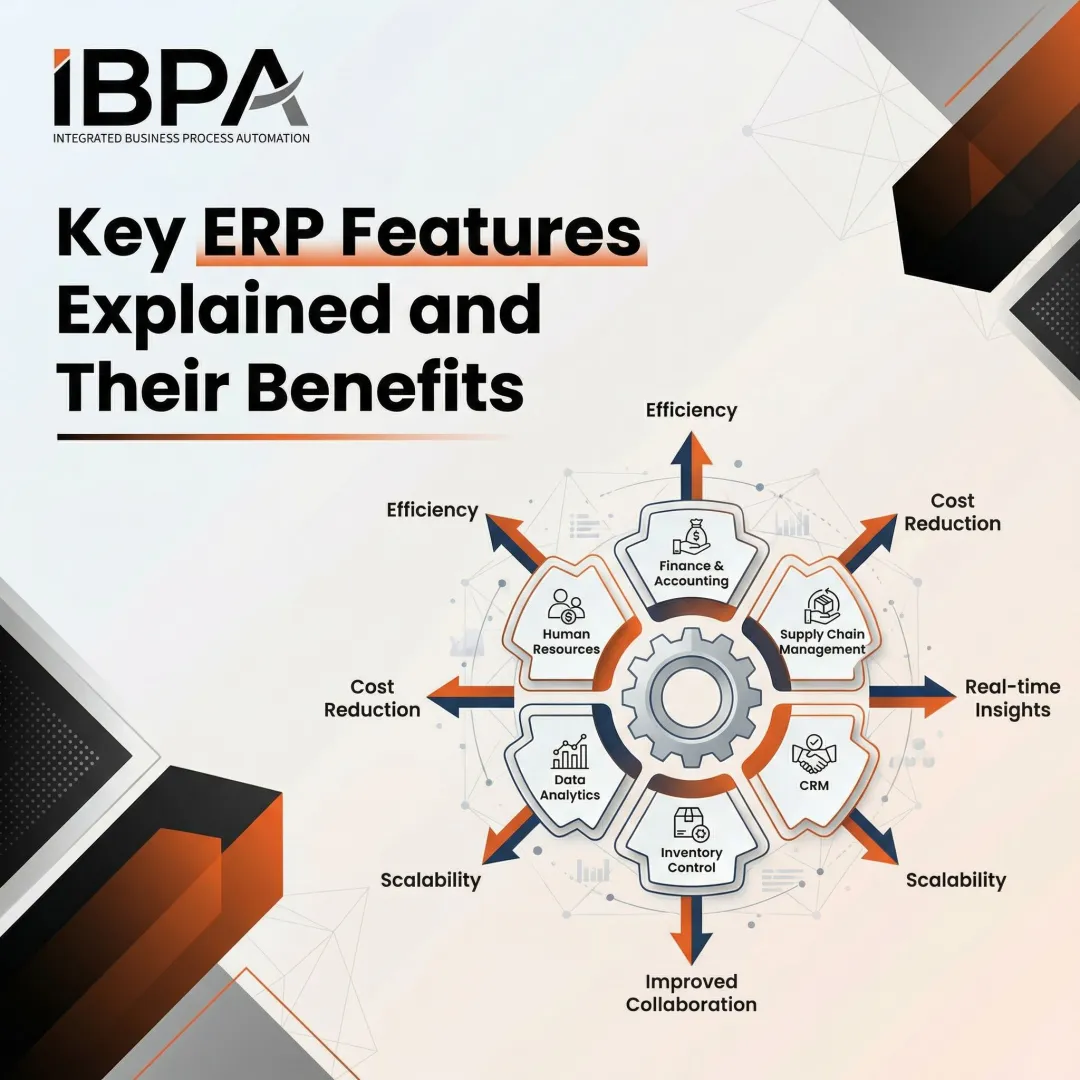
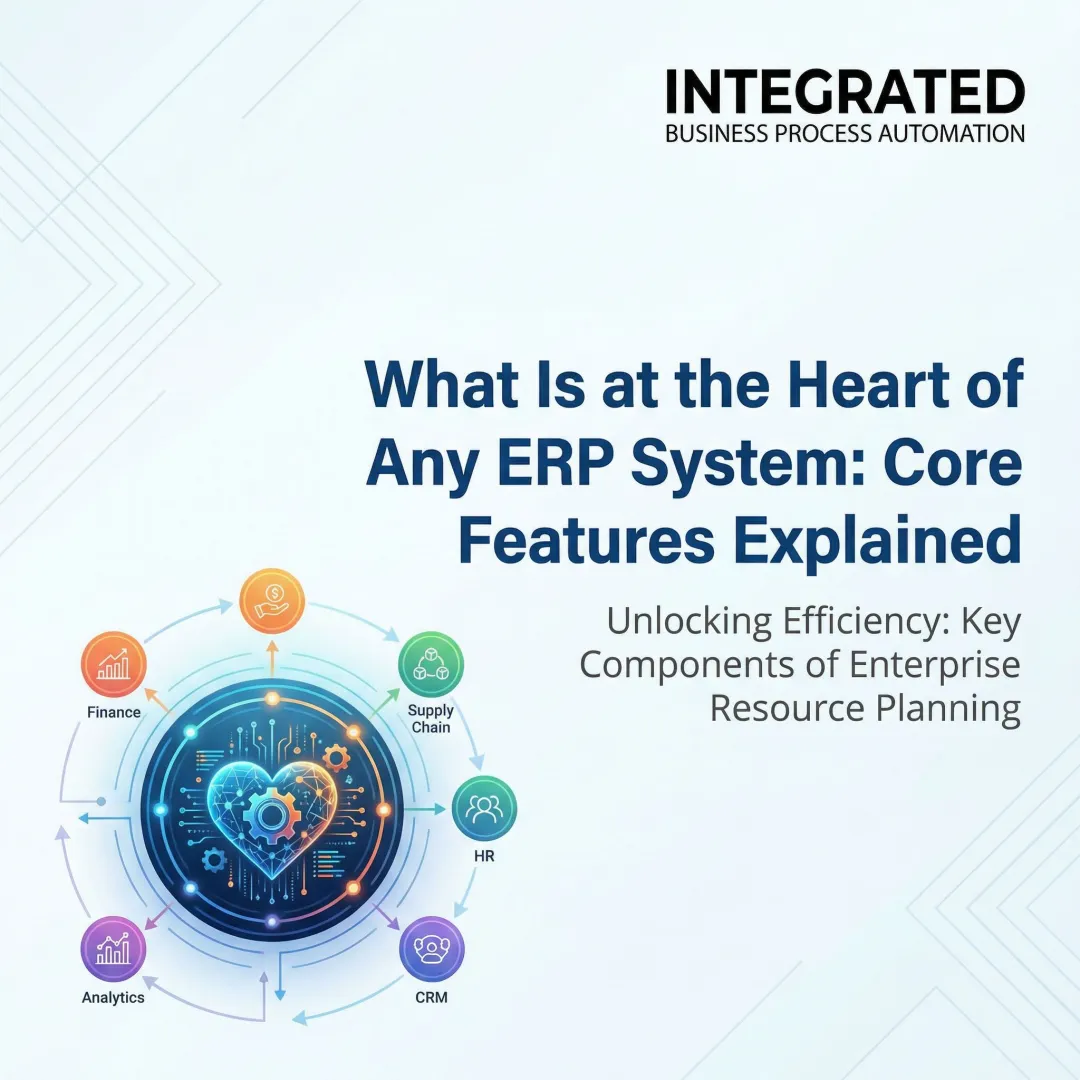
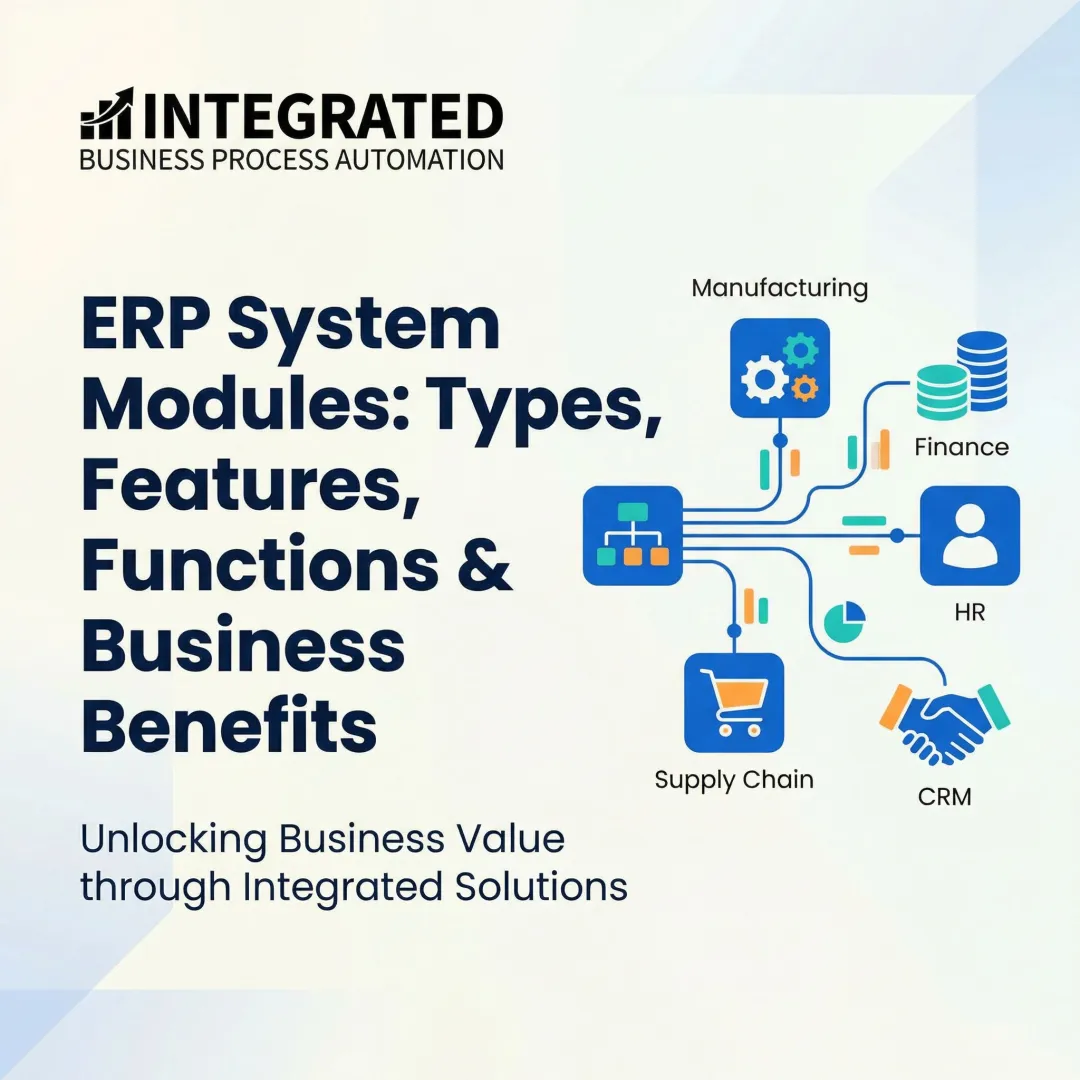
- ERP systems managing finance, inventory, and operations
- CMS platforms handling content and digital experiences
- Billing and finance software processing transactions
- Operations management tools coordinating workflows
What makes extensibility worth prioritizing is what it produces in practice: faster response to market changes, lower switching costs, and a system that grows with the business rather than holding it back. Research suggests composable architecture can reduce integration timelines by nearly 30% — for Indian MSMEs scaling across locations or adding compliance modules, that difference is measurable.
Key Advantages of Platform Extensibility
Each advantage below ties directly to measurable business outcomes—cost, efficiency, compliance, or growth—not abstract technical improvements.
Advantage 1: Scale Your Operations Without Starting Over
Extensibility allows businesses to add new modules, users, or workflows as they grow without migrating to a new system or losing historical data. A business that starts with basic inventory and billing can later add HR, project tracking, or multi-location management by activating new modules on the same platform.
Why this matters:
Starting over on a new platform every 2-3 years costs significant time, money, and productivity. The average ERP system for a small to mid-sized business costs ₹8,00,000 to ₹1,00,00,000, but the direct licensing is only a fraction of total costs. 47% of ERP implementations exceed budget, with hidden costs from data migration and technical issues driving overages.
Worse, unplanned downtime costs the typical Indian business approximately ₹70 lakh per hour—a single outage can wipe out an entire month's margin for a small team. For MSMEs scaling from one location to multiple or from one product line to many, platform rigidity becomes a growth bottleneck.
KPIs impacted:
- Time-to-implement new capabilities
- IT spend as percentage of revenue
- Employee onboarding time for new functions
- Operational downtime during growth phases
When this matters most:
This advantage is critical when expanding headcount, adding business units, entering new markets, or facing rapidly shifting operational demands. Bizionix exemplifies this approach—businesses can start with the NEO plan at ₹999/year covering basic inventory and billing, then activate modules for HR, production planning, or warehouse management as they grow, all within the same platform.
Advantage 2: Connect Systems and Eliminate Data Silos
Extensible platforms expose APIs and integration points that connect with other business tools—accounting software, GST portals, CRM systems, logistics platforms—creating one connected view of all business data. Instead of manually exporting data from one tool and importing into another, extensible platforms enable automated data flow across systems.
Why this matters:
Fragmented systems drive billing errors, delayed decisions, and compliance failures. Global benchmarks put the cost at $28,500 per employee annually from manual data entry, with poor data quality costing businesses an average of $12.9 million per year—figures that translate directly to Indian MSMEs operating across disconnected tools. Automating data integration cuts these costs significantly:
| Process Area | Manual Cost | Automated Cost | Efficiency Gain ||--------------|-------------|----------------|-----------------||| Accounts Payable | ₹800+ per invoice | ₹165 per invoice | ~80% reduction || HR/Payroll | 8-12 hours/week wasted | 92% fewer errors | Eliminates ₹40L-₹1.6Cr overpayment risk |
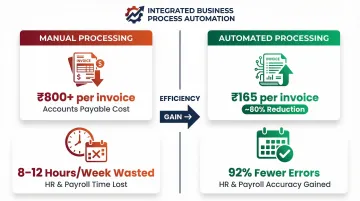
When all operational data flows into one view, business owners make decisions based on real-time information rather than week-old reports.
KPIs impacted:
- Data reconciliation time
- Invoice error rate
- Reporting lag
- Compliance filing accuracy
- Cross-department coordination speed
When this matters most:
This advantage has the highest impact for businesses managing multiple entities, operating across departments with different tools, or dealing with regulatory requirements. For Indian MSMEs, e-invoicing is mandatory for businesses with Annual Aggregate Turnover over ₹5 crore, and manual accounting is explicitly linked to higher error rates in GSTR-1 vs GSTR-3B reconciliation.
Bizionix addresses this through direct API integration with the GST e-Invoice system, enabling instant IRN generation, real-time validation, and automatic GSTR-1 population—eliminating the compliance bottleneck that plagues fragmented systems.
Advantage 3: Lower Total Cost of Ownership Over Time
An extensible platform reduces long-term software costs by eliminating the need to buy, onboard, and maintain separate tools for each business function. One platform that grows replaces five tools that don't connect. Instead of paying for CRM, separate accounting, standalone inventory, and an HR platform, an extensible ERP consolidates these into one subscription.
Why this matters:
Total cost of ownership for fragmented software stacks is consistently underestimated. SaaS inflation is running at 12.2%—nearly 5x higher than G7 market inflation, and globally, businesses spend $7,900 to $9,100 per employee annually on SaaS tools (USD benchmarks). Indian MSMEs face similar compounding pressure as their tool stacks grow.
A comprehensive 10-year TCO study shows cloud ERP costs 30% to 50% less than on-premise alternatives:
| Business Profile | 10-Year On-Premise TCO | 10-Year Cloud ERP TCO | Total Savings |
|---|---|---|---|
| Small Distributor (20-30 Users) | ₹2.1 Cr | ₹60 L | ₹1.5 Cr (71% reduction) |
| Mid-Market (50-100 Users) | ₹3.6 Cr | ₹1.08 Cr | ₹2.5 Cr (70% reduction) |
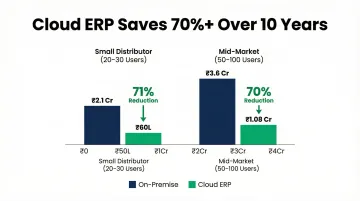
Cloud ERP eliminates hidden costs like hardware refreshes (₹32L-₹96L every 5-7 years) and major upgrade projects (₹60L-₹2.4Cr every 3-5 years).
KPIs impacted:
- Monthly software spend
- Number of active vendor contracts
- IT support hours
- Employee time on manual reconciliation
- Total onboarding hours for new staff
Bottom line for cost-sensitive MSMEs:
This advantage is most significant for businesses operating on lean IT budgets, organizations that have grown by adding tools reactively, and teams dealing with the hidden overhead of managing too many disconnected systems.
What Happens When Platform Extensibility Is Missing
When businesses rely on rigid, non-extensible platforms, the system stops fitting the business—and the business starts working around the system instead.
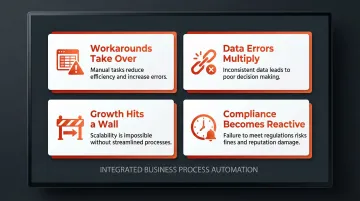
Here's what that typically looks like across four pressure points:
Workarounds take over operations. Teams create spreadsheets, parallel trackers, and WhatsApp approval chains to compensate for gaps the system can't fill. Indian MSMEs that continue relying on spreadsheets face compounding cyber risks and manual errors—and compliance failures are frequently traced back to processes that lack proper audit trails.
Data gaps and errors multiply. Without connected systems, the same data gets entered in multiple places—leading to mismatches, billing errors, and inaccurate reports. 56% of employees experience burnout from repetitive data tasks, and error rates climb with every manual handoff.
Growth exposes structural weakness. Adding a new location, product line, or business entity forces a choice: rebuild the system or operate in disconnected silos. Many growing Indian businesses hit this wall when their original setup—built for one branch or one function—can't scale without significant rework.
Compliance shifts from routine to reactive. When a platform can't integrate with GST portals or adopt regulatory updates quickly, teams are always playing catch-up. The CBIC's Rule 88C triggers automated intimations for GSTR-1 vs GSTR-3B mismatches, and failure to respond results in blocked GSTR-1 filings—a serious risk for businesses running on rigid, unconnected systems.
How to Get the Most Value from an Extensible Platform
Extensibility only delivers value when the platform is chosen deliberately and used systematically. A platform that is technically extensible but poorly implemented still creates operational friction.
Three practices make the difference between a platform that transforms operations and one that collects unused licenses:
- Deploy it across departments, not just one team — unified data and coordinated workflows are where the real value lives
- Audit integrations and modules quarterly; 48% of SMBs plan to modernize their ERP systems before 2026, and regular reviews keep you ahead of that curve
- Act on the data the platform surfaces — staffing decisions, inventory adjustments, billing cycles, and cost controls all improve when grounded in live operational insights
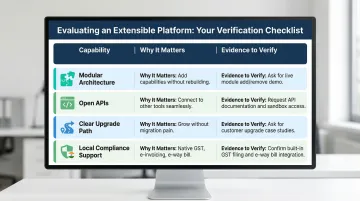
What to look for when evaluating platforms:
| Capability | Why It Matters | Evidence to Verify |
|---|---|---|
| Modular architecture | Add capabilities without rebuilding | Can you activate modules independently? |
| Open APIs | Connect to other tools seamlessly | Support for REST APIs and webhooks? |
| Clear upgrade path | Grow without migration pain | Published roadmap and version history? |
| Local compliance support | Mandatory for Indian MSMEs | Native GST, e-invoicing, and e-way bill integration? |
For Indian MSMEs, GST-readiness and e-invoicing integration aren't optional extras — they're operational requirements that affect every transaction. Bizionix addresses this directly: direct IRP API integration, multi-company management from a single login, and plans starting at ₹999/year that scale to enterprise complexity without the overhead that comes with it.
Conclusion
Platform extensibility is a practical business requirement for any organization that expects to grow, adapt, or integrate with other systems over time. The advantages compound. The longer you run on an extensible platform, the more value you extract—from lower switching costs to faster compliance adaptation to better decision-making.
The right time to evaluate extensibility is before your business outgrows its current system, not after. Choosing a platform designed to scale is one of the highest-leverage decisions a growing business can make. With 70% of organizations shifting from monolithic systems to composable ERP by 2026, the shift is already underway—and businesses that delay the transition face steeper migration costs and lost ground. For Indian MSMEs navigating GST compliance, multi-location operations, and rapid growth, a platform like Bizionix is built precisely for this kind of long-term extensibility.
Frequently Asked Questions
What does platform extensibility mean?
Platform extensibility refers to a software platform's ability to have new features, modules, or integrations added without rebuilding its core. The foundation stays stable while the system grows, allowing businesses to expand capabilities as needs evolve.
How can the extensibility of a platform benefit a business?
Extensibility allows businesses to scale without switching systems, connect different tools through APIs, and reduce total software costs over time by consolidating functions on one platform. For Indian MSMEs in particular, this means fewer vendor switches and lower disruption costs as the business grows.
Is platform extensibility only relevant for large enterprises?
No. Extensibility matters more for MSMEs than for large enterprises. Growing businesses face frequent operational changes and rarely have the budget to absorb platform migration costs every few years. A truly extensible platform adapts alongside the business instead of forcing a rebuild.
What is the difference between an extensible platform and a customizable one?
Customization typically refers to changing the look or behavior of existing features, while extensibility refers to the ability to add entirely new capabilities or integrations. For example, adjusting how your invoicing screen displays is customization — adding a full HRMS module to an existing accounting platform is extensibility.
How do I know if my current business platform is extensible enough?
Look for open APIs, whether adding a new module requires a vendor rebuild or can be activated independently, and whether the platform has kept up with regulatory changes (like GST updates) without requiring a system overhaul. If you're building spreadsheet workarounds, your platform isn't extensible enough.